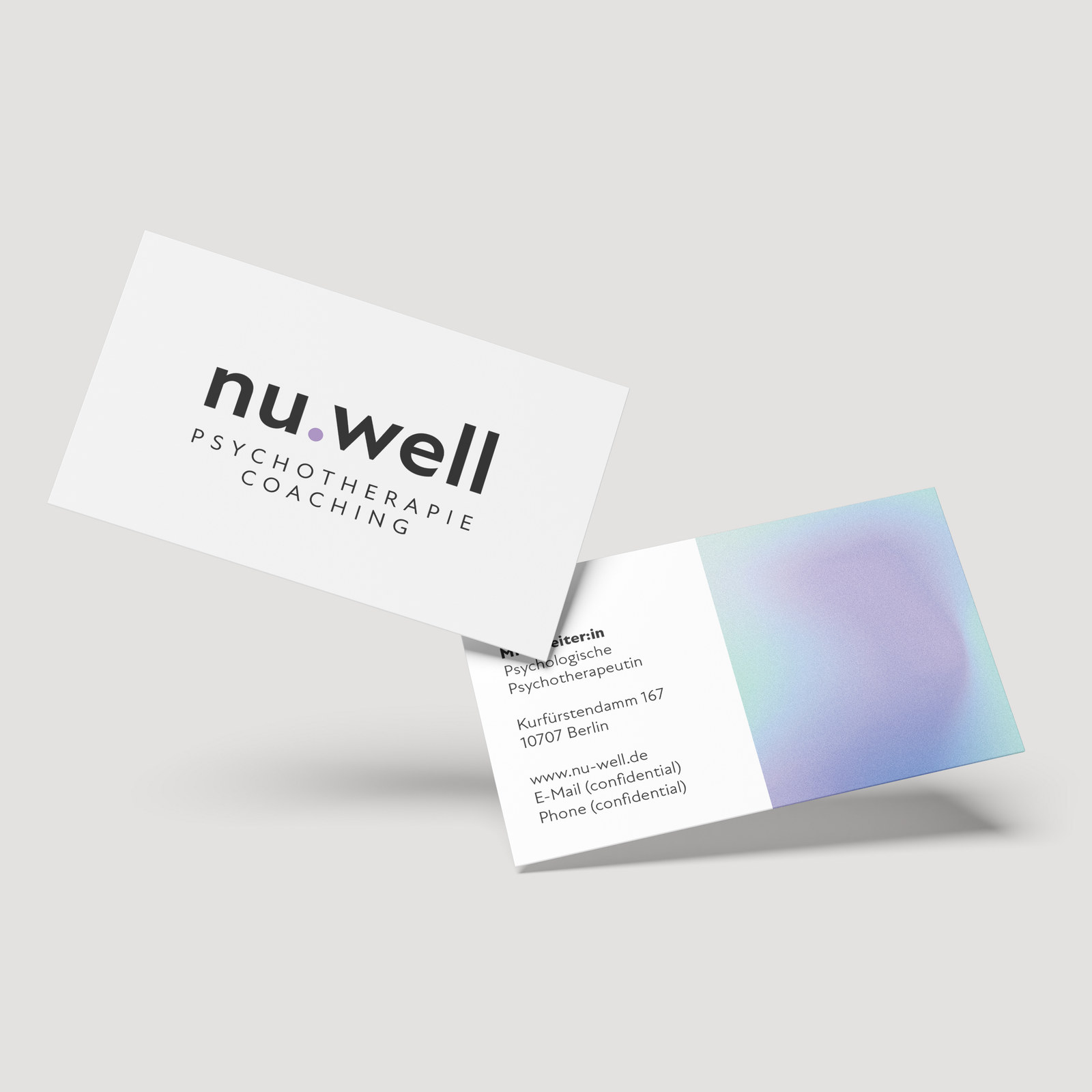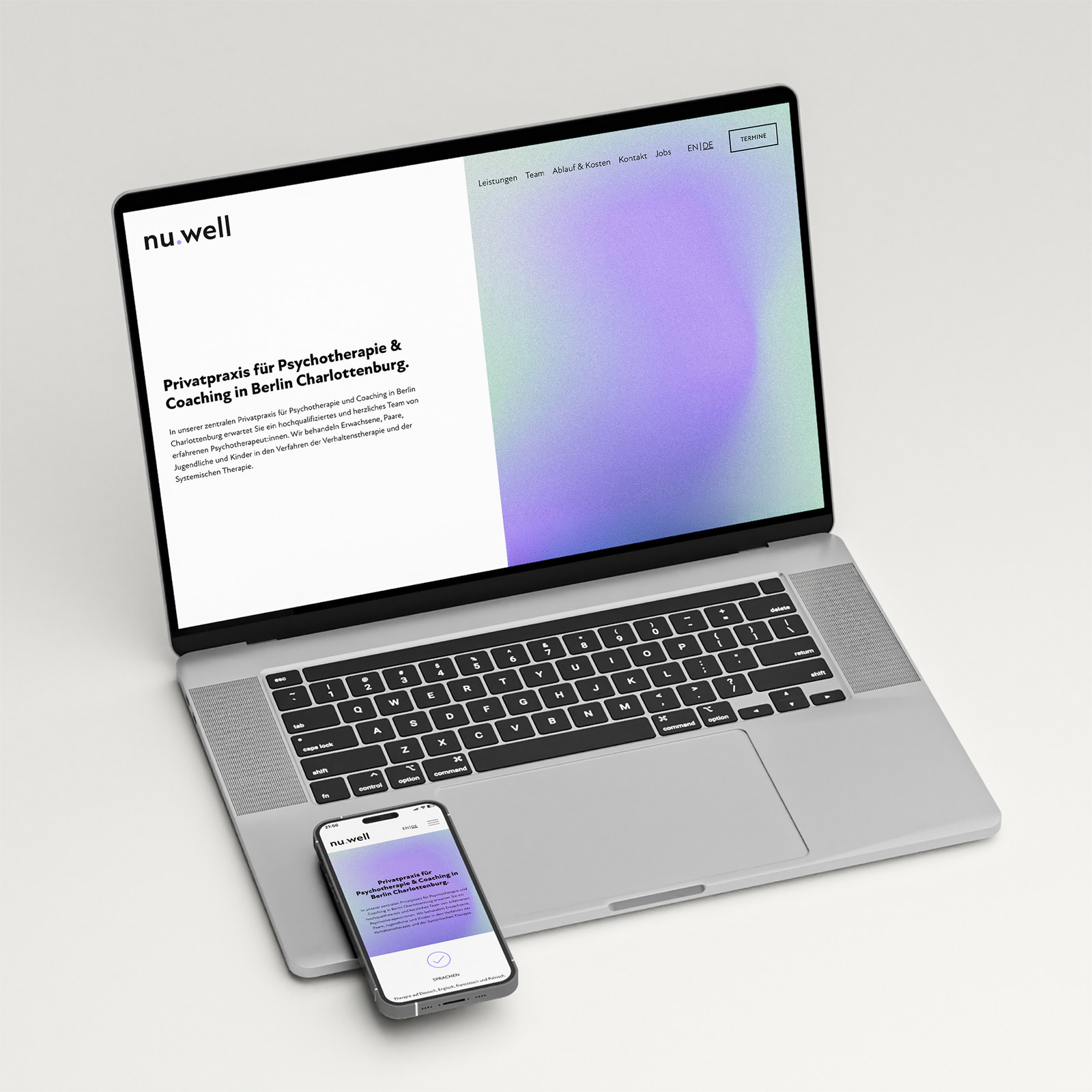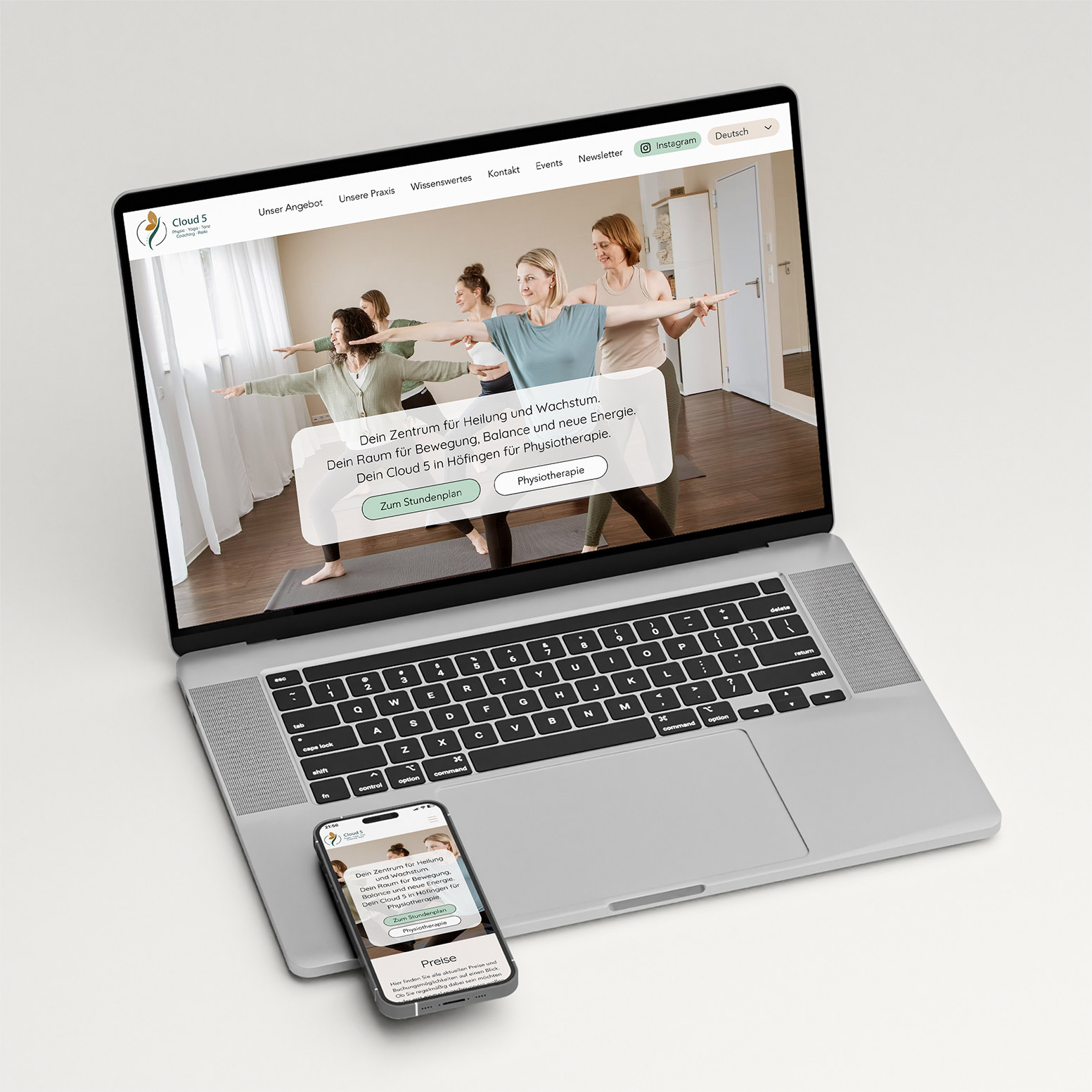
Brand, website and the software behind it – designed and built by the same person.
Industries where I know what matters.
See all industries →People and health
Health practicesPsychotherapy practicesHome care servicesYoga studiosPhotographersArtistsIndustry · Health practices
Physiotherapy, occupational therapy, speech therapy or naturopathy: anyone looking for a practice wants to know three things. What do you do, who are you, and how do I get an appointment? A good practice website answers that before anyone reaches for the phone.

Why it’s different
In a practice, the time between two appointments is short. Every question that lands on the phone although it could be on the website costs exactly that time – yours or reception’s.
I see two things again and again: services listed only as technical terms, and a way to get in touch that in the end is just a phone number with opening hours.
Both can be changed without the site losing credibility.
What I do for practices
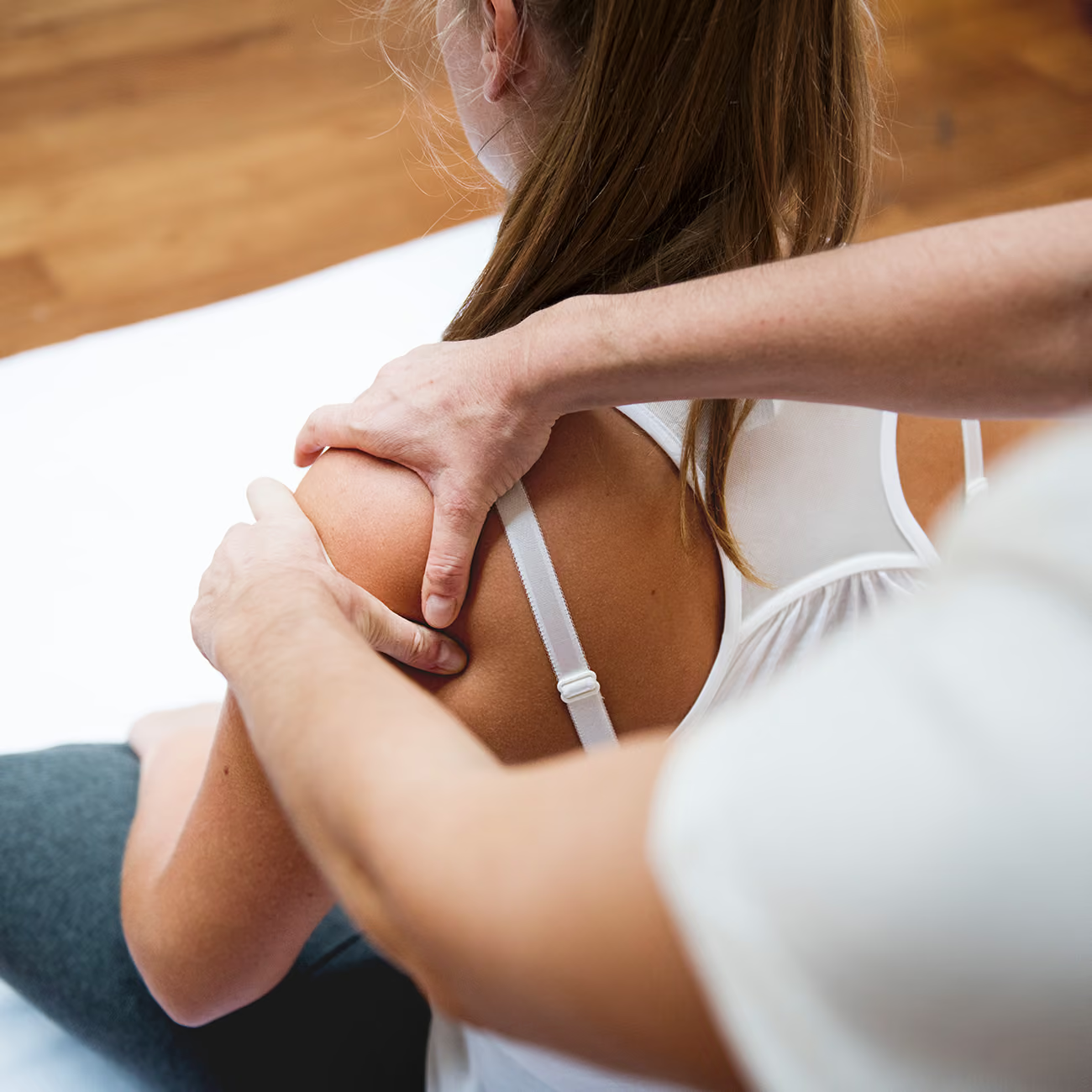
Manual therapy, lymphatic drainage, occupational therapy – explained in one sentence: who it’s for and what a session looks like.
A short enquiry form or connected online booking, depending on how your practice is organised. The main thing is that nobody has to let it ring five times.
What do I need for my first appointment, what does insurance cover, what does it cost privately? The most common questions are on the site, not just at reception.
Who will treat me? A photo and a few sentences per person take away the uncertainty before the first appointment.
Therapists choose their practice. A dedicated area for open positions shows what it’s like to work with you.
Prevention classes, back school or yoga – you add them and take them down yourselves, without waiting for me.
“Physiotherapy” plus neighbourhood is the search that counts. Structure, headings and Google profile are tuned to it.
Forms only ask for what’s needed for the appointment, and the site says openly what happens with the details.
Three examples from healthcare
How it works
01
Who comes to you today, who should come too, and which questions does reception answer again every day?
02
Which pages are actually needed – often fewer than expected – and how the copy should sound.
03
If helpful, I’ll show you design ideas or a clickable prototype first. I design with your real content instead of placeholders.
04
Build, connect booking or forms, set up data protection properly, training. You then maintain classes, jobs and holidays yourselves.
Before you get in touch
The questions that come sooner or later
You do. Domain, access and content run on your own accounts, and I build the site so someone else could take it over without untangling it first. That keeps you independent of me.
The contact form only asks for what’s needed for the appointment. Where sensitive details come into play, I recommend a solution with servers in Germany and a data processing agreement instead of a standard form.
That depends a lot on the scope – a website is on a different scale from a portal or an ongoing collaboration. You’ll get a reliable timeframe after our first conversation.
I’ll give you the exact scope after our first conversation.
Health practices
Reply within two working days